Emergency Bivvy Bags: What They Are And When You Need One
Author:Alina
|
Released:March 24, 2026
An emergency bivvy bag is only a few ounces in weight, it can fit in your palm. Countless lives have been saved with the help of this basic equipment, when day hikes turned into unplanned overnight survival scenarios.
What Exactly Is an Emergency Bivvy Bag
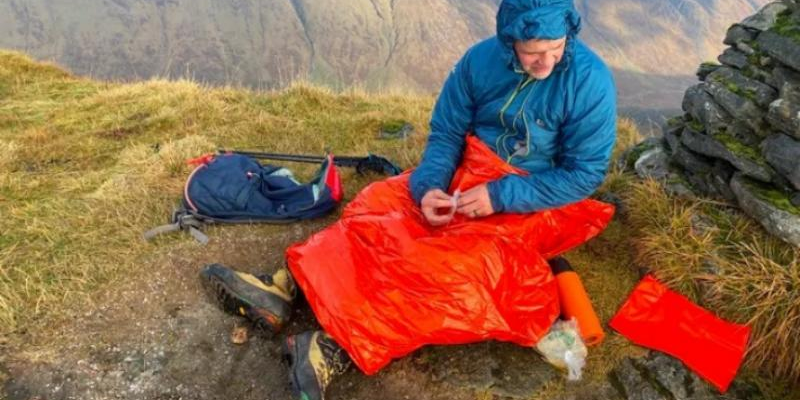
An emergency bivvy is a lightweight, waterproof sack big enough to climb into. It does not provide insulation on its own like a sleeping bag. Instead, it traps your body heat and keeps out wind and rain. The interior is reflective and bounces radiant heat back to your body, similar to how a thermos retains heat.
Most emergency bivvies are made of heat-reflective Mylar or reinforced polyethylene. They are small enough to fit in a pocket and usually weigh between two and eight ounces. Many have a bright orange or red exterior, making them easier for search and rescue teams to spot from the air (e.g., helicopters).
The U.S. National Park Service lists emergency shelter as part of the Ten Essentials that hikers should carry on every trip, planned or not [1]. The bivvy meets this requirement with very low weight and cost.
Emergency Bivvy Vs Space Blanket: Key Differences
Space blankets are thin Mylar sheets designed mainly to reflect body heat. However, they offer little protection from wind or rain and can tear easily or be blown away. They work best in dry, calm conditions but are far less reliable in real emergencies.
Emergency bivvies, by contrast, fully enclose the body, blocking wind and precipitation. This sealed design helps create a small warm air pocket around you. Higher-quality models also use tougher materials that resist tearing in rough terrain.
The weight difference is small. A basic space blanket is about one ounce, while a typical bivvy weighs around three to four ounces. Those extra ounces provide significantly more reliable protection when real emergency shelter is needed.
Situations Where A Bivvy Saves Lives
The most common reason hikers need emergency shelter is getting lost. A short outing can easily turn into hours of wandering as daylight fades. Even when temperatures are above freezing, hypothermia can still develop without shelter if wind and moisture are present. According to the Wilderness Medical Society, most hypothermia deaths occur in the range of 30 to 50 degrees Fahrenheit [2].
Injuries that make walking impossible create similar emergencies. A broken ankle miles from the trailhead may leave someone waiting for rescue until night. A bivvy helps keep an immobilized hiker warm until help arrives. This is why search and rescue teams often recommend carrying emergency shelter.
Sudden weather changes also catch hikers off guard each season. A clear morning can quickly turn into an afternoon thunderstorm with dropping temperatures. Mountain weather changes fast, and being caught without shelter during a storm is very dangerous. A bivvy provides immediate protection while waiting out conditions or during a slow descent.

How To Use An Emergency Bivvy Effectively
Start by finding or creating protection against wind before getting inside. Wind is one of the fastest ways your body loses heat, even when you are inside a bivvy. Look for natural windbreaks like a large boulder, fallen tree, thick brush, or a shallow depression in the ground. If nothing is available, position your backpack or trekking poles to block airflow on at least one side. Even a small reduction in wind exposure helps the bivvy perform better, since convective heat loss is one of the main risks in exposed conditions.
Once inside, insulate yourself from the ground. The cold earth pulls heat from your body much faster than cold air. This is often underestimated in survival situations. Place anything available under you—dry leaves, pine needles, spare clothing, or even your pack. The goal is to create a barrier between your body and the ground. Without this layer, conduction can still cause significant heat loss even if the bivvy is functioning properly.
Keep your head covered and the opening sealed as much as possible. A large amount of body heat is lost through an uncovered head, especially in cold or windy environments. Tighten the bivvy opening around your face, leaving only enough space for breathing. This can feel uncomfortable due to reduced airflow and condensation buildup inside the bivvy, but it is far safer than exposing yourself to cold air. Moisture inside the bivvy is normal and expected; the priority is retaining heat rather than staying dry.
Try to stay as still as possible once settled. Movement increases heat loss and can create gaps in the bivvy that let warm air escape. If you are injured or waiting for rescue, conserve energy and keep your body close to a natural resting position. In group situations, staying close together inside or under shared shelter can further improve heat retention.
Choosing The Right Emergency Bivvy
There are several widely used emergency bivvies with different strengths depending on use case. The SOL Emergency Bivvy is one of the most common options, weighing around 3.8 ounces and featuring reinforced seams that improve durability compared to ultra-thin models. Survive Outdoors Longer also offers a two-person version designed for partners or situations where sharing body heat is necessary.
Budget alternatives such as Tact Bivvy and Go Time Gear are often priced under fifteen dollars and are suitable for occasional carry or backup use. While they may not be as durable as premium models, they still provide effective emergency protection when used correctly.
When choosing a bivvy, look for sealed or closed seams that reduce water entry and improve heat retention. A compact stuff sack is also useful for quick repacking after practice use or training. Bright exterior colors are important, especially orange or red, as they improve visibility for search and rescue teams.
Avoid the lowest-cost ultra-thin options that easily tear under stress. In real scenarios, you may need to enter the bivvy in difficult terrain, sometimes with limited visibility or during injury recovery. Weak material can fail at exactly the wrong moment.
Outdoor retailers such as REI often test and evaluate emergency bivvies in field conditions, which can help compare durability and real-world usability beyond manufacturer descriptions [3].
Carry It And Hope You Never Use It
Emergency bivvy is insurance that you bring in your pack. The several ounces are lost in the mass of your other equipment, and you probably will never take it out. However when you are lost, injured or caught in bad weather there is nothing in your pack that will last you the night like a good emergency shelter.
Take one as part of your day hiking gear and leave it there forever. Test it once in a year to confirm that there is no deterioration of the material. You will be thankful that you took those few ounces of preparation when the time actually comes that you have to seek emergency shelter.
References
[1] Ten Essentials for Hiking - National Park Service - https://www.nps.gov/articles/10essentials.htm
[2] Hypothermia Prevention and Treatment - Wilderness Medical Society - https://wms.org/magazine/1113/hypothermia
[3] Emergency Shelter Guide - REI Expert Advice - https://www.rei.com/learn/expert-advice/emergency-shelter.html
Related Posts
Activities
Glacier Hiking In Chile: Why You Must Go Before The Routes Shift

Activities
High-Altitude Adventure: Best Guided Trekking Tours In The Himalayas
Guides and Tips
What To Pack For A Half-Day Hike Without Overpacking
Guides and Tips
Hiking Poles Guide: When Do You Actually Need Hiking Poles
Activities
Tips For Hiking With A Dog Safely: 17 Smart Rules Every Owner Should Follow
Guides and Tips